Newsletter
Sed ut perspiciatis unde.
We were lucky to catch up with Melissa Thomas recently and have shared our conversation below.
Melissa, thanks for joining us, excited to have you contributing your stories and insights. Looking back, do you think you started your business at the right time? Do you wish you had started sooner or later
I waited to start my business until I had gone to an official academy, gotten certified, and had some good experience under my belt, so looking back, I really wouldn’t have started it any earlier, even though there would have been some good benefits. The dog training industry is unregulated, which means anybody can legally call themselves a dog trainer even if they have no education or professional experience behind them (and many people do just that, unfortunately), but it was very important for me to be ethical and to do it correctly, so I waited until everything was place. The only thing I might change about my approach would be to have started in this career path right out of high school, however, having a background in marketing has really given me an advantage for the business side of things, so even at that, I think the path I took was the right one for me. It allowed me to grow and gain life and business experience and then take that and use it to start my own business. That background has been really beneficial so when you take that into consideration, the timing really is perfect in it’s own right.
Great, appreciate you sharing that with us. Before we ask you to share more of your insights, can you take a moment to introduce yourself and how you got to where you are today to our readers.
I’ve always had a passion for animals. Growing up, all of my “critters” had names starting with the letter “T”, hence the name “Training to a T” was born. One of those animals, Taz, was a Great Pyrenees puppy and he is really why I became interested in dog training using strictly positive methods. The trainers we used with him had us using old fashioned, abusive techniques and tools like choke chains and shock collars and it made his behavior so much worse.
In short, we found Taz and his siblings abandoned in the desert when they were 4 weeks old. We looked for their mom for hours that day, but had no luck and they were all there with no food or water anywhere around. We brought them home, took them to our vet, then once they had a clean bill of health, we found homes for all but Taz, who we kept.
Because of his past, Taz had a lot of behavior issues that we worked through and managed while he was with us. During this time, positive reinforcement was in it’s infancy and very few trainers were available, but I found a TV show about it and was able to use some of the techniques that show used and Taz made a lot of progress before we lost him at age 14. It was because of him and the contrast in training techniques that brought me to my business, and it is in his honor that I use those techniques with others.
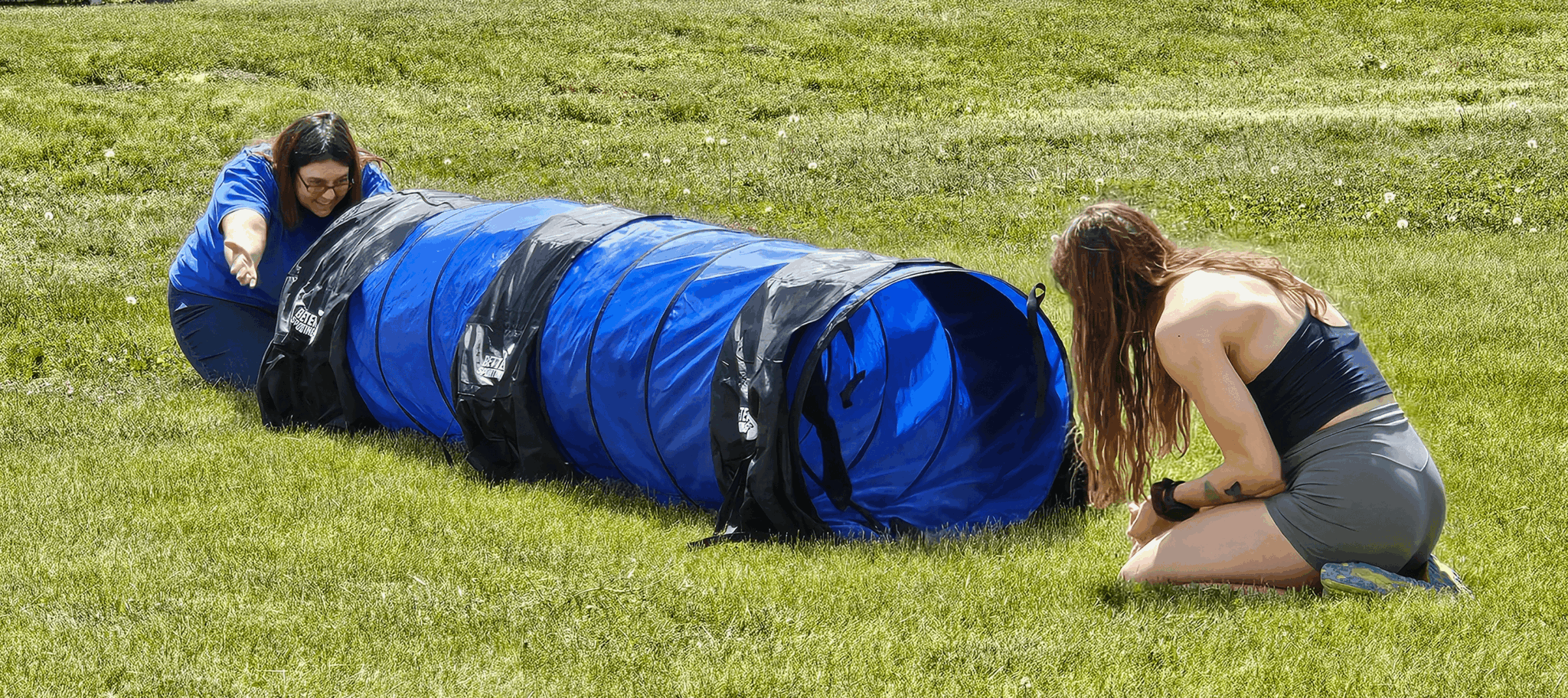
Training to a T really focuses on several types of dog training. We do obedience classes, agility and scent workshops, some reactivity training, and our Shock-Free Snake Avoidance classes. We are the first trainer in the state of Utah to offer a shock-free option for that and one of the first in the nation.
I think the biggest thing to know about myself and Training to a T is that the entire business is run on the passion I have for animals. Everything I do and stand for in this business is about making life better for the dog. Really, it’s about training the human to understand the dog and how to work with the dog. It’s so common and natural for humans to want the dog to meet the human where they are. It’s a bit of a mind flip to think the other way around, but when we are able to develop those skills and work with the dog, training becomes easier and your ability to understand your own dog at a much deeper level becomes possible. Only when you reach that point can you develop an amazing trust and bond with your dog. That is what we are here for!
Have you ever had to pivot?
I started my business early in 2019 and had only had about a year under my belt when Covid shut everything down. I hadn’t built up a following, I wasn’t known in my community very well yet, and I was still trying to get out there to build a foundation. My plans of in-person classes and community events all of a sudden took a turn that I wasn’t sure I was going to be able to get through. Luckily, the dog training industry really rallied around Covid and people were willing to try something that didn’t seem possible…virtual dog training.
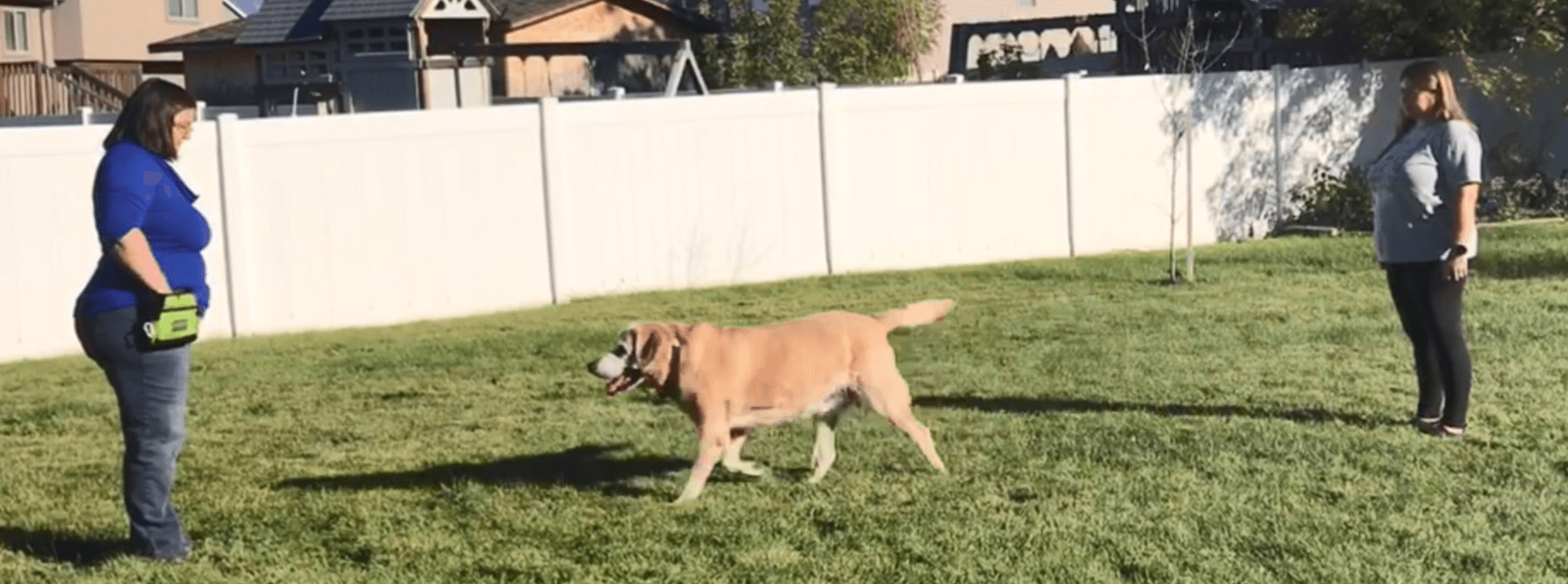
Everything at that point went online. Zoom classes became a thing and after having one year of training (including our snake avoidance classes), I was able to figure out how to meet with clients both individually and in groups and demonstrate how to train with my own dog. Then the client would do the same with their pup and I would watch, giving pointers as they went. They could ask questions, I could show them again as needed and it really worked well. In fact, it worked so well, I was able to take on clients from around the country instead of just in my own area.
I still do virtual training, even now. It isn’t as popular, but I do still have the option for anybody that likes/needs flexibility like that. I think it was really a great learning tool in having to pivot and training myself on how I can meet my clients needs best.
How did you build your audience on social media?
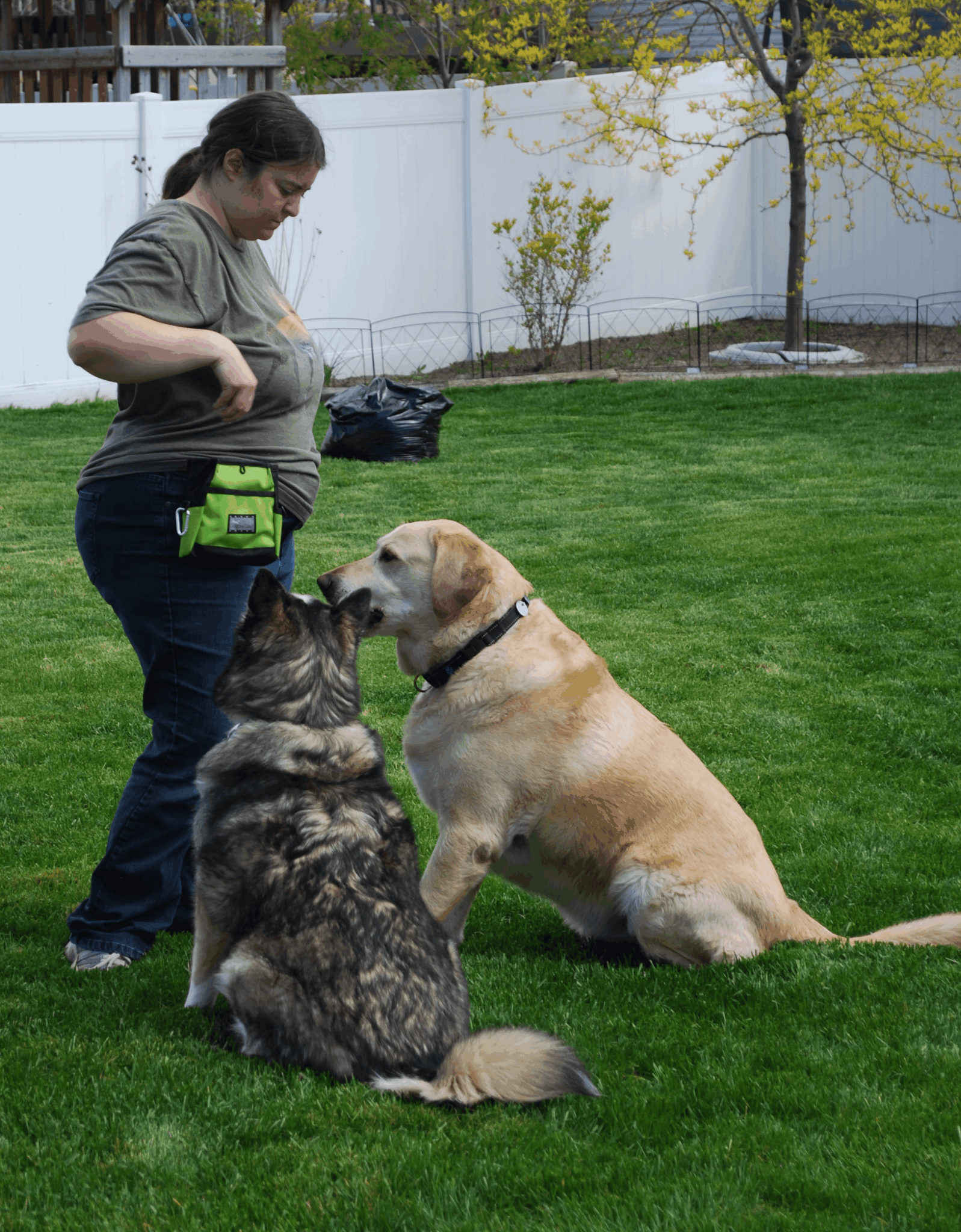
This is such an evolving question and one area that I feel like I can definitely improve on. I don’t have a huge social media following, but it is slowly growing. Trying to keep up with multiple platforms, multiple formats for each platform, some text content, some video content, some static content, etc. is a full-time job all itself. I am a one-woman show, so I don’t have a team that helps me with anything. I create concepts, images, graphics, and all content on my own, side-by-side with the actual training itself, and everything else that goes into running the business. In addition to that, I have a corporate America 9-5 job as well, so social media can only allot a sliver of time. With that time, I make sure I create helpful content…meaning, I give away training advice and resources wherever I can. This can be things like allowing people to ask specific training questions that I answer, giving generic information like breeds and training characteristics based on breed, resources like socialization facts, information about enrichment and so much more. I really try to make my social media a wealth of helpful information for dog owners. It’s more about giving away that information than advertising, although, I do use it to advertise for my classes when needed.
I think the biggest thing I have learned in growing social media is not only creating your own content, but engaging with others. We all scroll. Make sure you are liking and commenting on others posts. Become a fan of them and support them and others and you will find that others support you and that the algorithms will push your content farther. Unfortunately, this also means spending even more time on social media. So, with all of that in mind, remember to take breaks. Take a week off of social a few times a year because it can be very toxic and frustrating. Take care of yourself in that world!
Contact Info: