
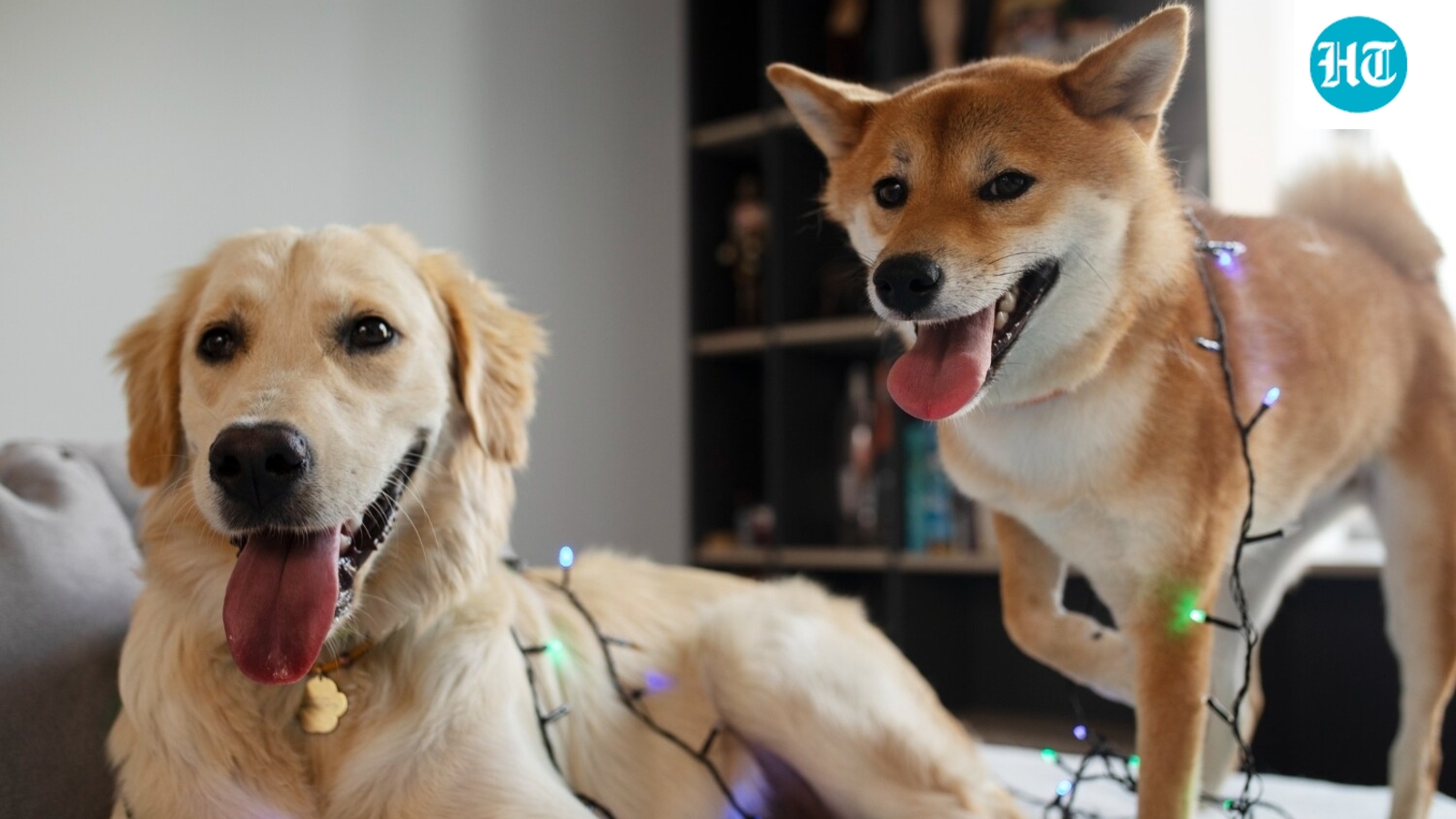
Do you plan to add a new furry member to your family in the upcoming year? Whether it is for your existing pet’s company or simply to make your house more lively, a new pet is always a fun experience. But at the same time, it can also require your older pet to adjust to the newcomer.

ALSO READ: Dogs with floppy ears at high risk of infections? Vet shares complete guide to correct ear cleaning
And it is not like a children’s movie, where pets and animals in general instantly click and get along. In reality, older pets may feel territorial, anxious, left out or worse, aggressive. But as a pet parent, you can make this transition much easier. With patience and some training techniques, you can make the older pet feel better about the newcomer.
Dog trainer Adnaan Khan, founder and CEO of K9 School, a dog training academy, shared with HT Lifestyle that guidance can help older dogs adjust and bond with a new pet. All forms of hostility or shyness can be managed with patience, structure and gradual introductions.
He listed out these 5 tips:
1. Reset territory and reinforce structure
The first problem that may arise is related to territory. The dog trainer revealed that the older dog may feel threatened and consider certain parts of the house, such as the bed, sofa or favourite corners, as their personal domain. When a new pet joins, the older dog may perceive them as an intruder. What to do in that case? Adnaan recommended, “Set up clear resting spots, control access to some areas, and re-establish routines.” This way, the dog will feel stable and eventually learn to share the home.
2. Maintain balanced attention
The second issue, as the trainer rightly noted, is that the older dog may not like sharing your affection. They don’t need to have a problem with the new pet, but they may feel left out and neglected. This is natural, as they are used to receiving a lot of love and attention, and now suddenly someone else is getting it too. This can lead to feelings of jealousy.
Here’s the fix Adnaan recommended: “Avoid exhibiting favouritism or spoiling the newcomer, and don’t push the older dog aside. Rather, keep routines predictable, involve both in everyday activities, and provide the older pet with steady attention.”
3. Practice gradual introductions

Don’t put the dogs together right away. “A slow introduction allows them to adjust at their own pace,” he said. Rushing the introduction may lead to territorial disputes avoidance, or even aggression, which can damage the relationship before they have a chance to bond.
Here are the essential steps for the introduction, as the trainer listed:
- Start by letting them exchange scents through bedding or toys, then allow short visual contact from a distance.
- As both dogs appear to be relaxed, you may allow brief, supervised meetings, followed by calm walks together.
4. Use crate training
Crates are helpful for structured introductions. The trainer added, “Allow the new pet to rest quietly in the crate while your older dog observes from a comfortable distance.” This structured separation prevents negative encounters as a clear boundary is created.
5. Build bonds through shared experiences
The first instinct is to put the dogs together and ask them to share food or toys, but this can create unnecessary competition. The trainer warned about this. Instead, go for gentle exercises like walking together, practising obedience, or doing puzzle games in separate spaces. These activities help them get familiar with each other, build trust, and coest peacefulyt withoyt conflict.
Note to readers: This article is for informational purposes only and not a substitute for professional medical advice. Always seek the advice of your doctor with any questions about a medical condition.